

Why an Anti Frost Fridge Freezer Doesn't Require Defrosting
Unlike a manual or auto defrost fridge, an anti frost freezer doesn't require regular defrosting. This is because the cooling system circulates dry air rather than moisture that turns into crystals of ice.
But, you'll have to clean your freezer to ensure that it is operating as efficiently as it can.
Keep Food Fresher
When you open the door to your freezer the freezer door, warm air may enter the appliance and cause ice or frost to form. This can change the taste of food items, create unpleasant odors and decrease the storage space available. Frost Free freezers avoid this by using cold, dry air instead of moist air to freeze food.
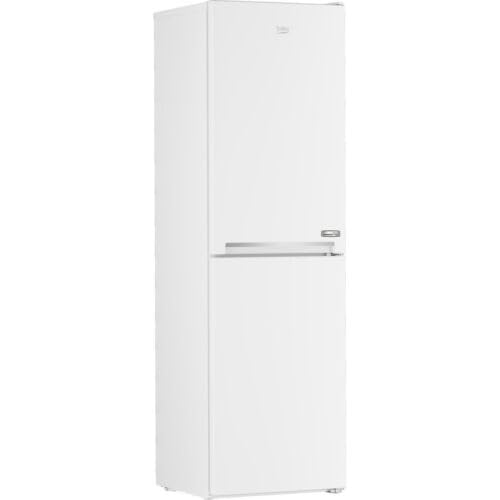
It is recommended to defrost fridge freezers on a regular basis to avoid a thick build up of ice that could impact the cooling system. This can lead to a less efficient fridge and could require replacement of the freezer gas line. A fridge freezer equipped with a Frost Free system will not require manual defrosting as the ice will melt naturally and not form into a solid block of ice.
The anti-frost refrigerator will also come with an energy-saving feature that can allow you to save money on your electricity bill, and also keep your food fresher for longer. These advanced technologies could include amber LED lighting that replicates sunlight to slow the wilting process of vegetables, or temperature control that shifts to a cooler setting at night to extend the shelf life of frozen food items.
Place food items that don't require cooking on the upper shelves, where temperatures are more consistent. This includes leftovers, drinks and ready-to-eat food items such as hummus and tortillas. It is recommended to put eggs in there, along with any herbs that don't have to be refrigerated.
The lower shelf in your refrigerator should only be used for fresh meats and poultry, as well as fish in sealed containers. This will stop them from leaking juices, which can contain harmful bacteria, onto food items stored on lower shelves. It's important to store these foods on a separate shelf to prevent cross-contamination. Also, make sure the container is securely closed.
To get the most value from your fridge make sure you use airtight, clear containers and jars to put your food in and label them with the contents as well as the date. This will help you to know the items you have in your fridge and also avoid buying duplicate items. You can also try making lists on your phone each time you shop to avoid forgetting things or picking up a repeat purchase.
Electricity Savings
With prices for energy increasing, it's important to think about how much power various appliances in your home consume. Fridge freezers are notoriously power-hungry particularly since they're operating all hours of the day, seven every day of the week. With that in mind, it's worthwhile to try to save as much electricity as you can to cut down on costs and improve the environment. There are a few easy methods to achieve this.
The first step to take is to buy an energy efficient fridge freezer. There are many models to pick from, including frost-free fridge freezers, so you're bound to find a model that suits your needs. Energy STAR certified refrigerators are the best for reducing energy and cost consumption. These appliances are designed to meet the strictest efficiency requirements, and they include a variety of features to improve their efficiency.
Fill your freezer to capacity. This will prevent warm air from getting into your freezer when you open it, which will increase the energy consumption. A fully-stocked freezer can also help to cut down on energy consumption since it requires less cooling time and freezing time.
You can also save money by selecting a refrigerator with a defrost cycle that uses heat to melt the ice rather than using electricity. This will reduce energy consumption however it will take a bit longer for the freezer temperature to reach and maintain its ideal level.
Certain freezers are equipped with anti-sweat heating elements which are constantly turned on to stop condensation. These heaters use as much as 10% more energy than models without them, but they still reduce your energy bills.
Reduce the amount of food you store in your freezer or refrigerator. You can do this by storing other items than food items, like newspapers, bags stuffed with shipping peanuts, or empty milk bottles filled with water. These non-food items could help occupy freezer space, improving the efficiency of the freezer in terms of energy.
Save time on defrosting
Refrigerators with anti-frost freezers are simpler to clean and keep clear of ice. However, this does not mean they never require defrosting. There are still a few tiny crystals of moisture that will develop from time-to-time, but this is far less than you would expect if you had an older freezer that was not frozen, which can build up an accumulation of ice that is several centimeters thick over the years.
tall frost free fridge freezer is crucial to defrost your frost-free refrigerator in a safe manner to avoid injury from sharp ice or cold food. You will need empty your freezer and then move any frozen food into coolers or another refrigerator while you defrost. Next, turn off and unplug your freezer. You can speed up the process by opening the freezer and put towels around the base of the freezer in order to catch any melting water. Additionally, you can put a fan close to the freezer to allow warm air to circulate and speed up the melting process.
You can also speed up the process by placing a bowl of boiling water inside your freezer. The heat generated by the water will help to break down large chunks of ice, making it much easier to scrape off. You can also use a spatula that has been heated by hot water to get rid of any remaining ice. Be careful not to get your hands on the melting ice. It could be extremely cold, and cause frostbite.
When the ice has melted the freezer, you need to clean the freezer and replace any items that were removed. You can also take advantage of this opportunity to clean out any old or no longer needed items from your freezer. This will make it easier to find items to replenish, and can also reduce the amount of garbage you waste.
Reduce Humidity
The humidity in the air can cause frost and ice to form on the freezer surfaces, as well as stale smells and less storage. The anti-frost refrigerator freezer eliminates the problem by eliminating moisture from the air prior to it becoming frost or ice. It allows temperatures to fall faster and decreases energy consumption. This leads to a more efficient use electricity as well as less stale smells and less snow or ice on products or equipment.
A fridge freezer without frost can still be subject to humidity and might require defrosting at times. The best way to prevent this is to ensure that all food items are wrapped properly or stored in plastic. Also to avoid blocking ventilation holes or ducts with food packaging, store items away from the walls of the fridge. It is important to remove regularly items that are no longer in use to make room for newer ones.
It is also crucial to check that the door gaskets are in good shape and are not showing signs of wear and tear. Loose hinges and gaps between the refrigerator freezer doors could cause excessive humidity, which can result in ice or frost. It is also recommended to keep a supply of desiccant in the freezer in case the seal gets damaged or worn.
Another simple way to reduce humidity and prevent frost and ice is to clean the drain for defrost at the back of your fridge once a month or so. A clogged drain can cause water to accumulate in the refrigerator, which will eventually spill over into the freezer compartment and drip onto the foods below. You can make use of a straight section of pipe cleaner or a coat hanger for removing the obstruction. You should also ensure that the defrost drain is not blocked by food packaging or freezer bags which can cause a blocked drain and increase the possibility of ice building up in your fridge. If this doesn't solve the issue, consult a refrigeration expert.